This article was first published by PERE in June 2026 and is reproduced here with permission.
Real estate investors are pivoting to specialist residential sectors as supply, demographics and rates reshape risk-return dynamics across markets, say Macquarie Asset Management’s Erin Ledger-Beaupre, Brendan Jones and Justin Ayre.
Housing affordability pressures are intensifying globally as population growth and migration drive demand, while rising construction costs and higher interest rates constrain new supply. As a result, real estate investors are reassessing where and how to deploy capital across living sectors.
Against this backdrop, Erin Ledger-Beaupre, Senior Managing Director, US Real Estate; Brendan Jones, Head of Europe Real Estate; and Justin Ayre, Managing Director, APAC Real Estate with Macquarie Asset Management point to diverging regional demand drivers. But a common set of structural themes: persistent undersupply, shifting tenant preferences and a growing role for institutional capital in traditionally fragmented segments, may present opportunity.
Which forces matter most in your region, and how are you addressing them?
Brendan Jones: Most major European cities have experienced large increases in immigration in recent years, as well as major affordability issues due to limited supply of new housing amid rising construction prices and interest rates.
Net migration in the UK has surged to around four times the long-term average in the past several years, reaching one million per annum. Although migration has now normalised, the cumulative impact of record arrivals against the backdrop of limited housing supply is still flowing through the system. In London, house prices are now 14 times the median income, compared to nine times less than a decade ago. The average first-time buyer’s mortgage payments are now 53 per cent of take-home pay, leading to a real drop in home ownership.
Given these shifts and similar impacts across Europe, we are focused on middle-market residential products that provide high-quality housing to a large population base at affordable prices.
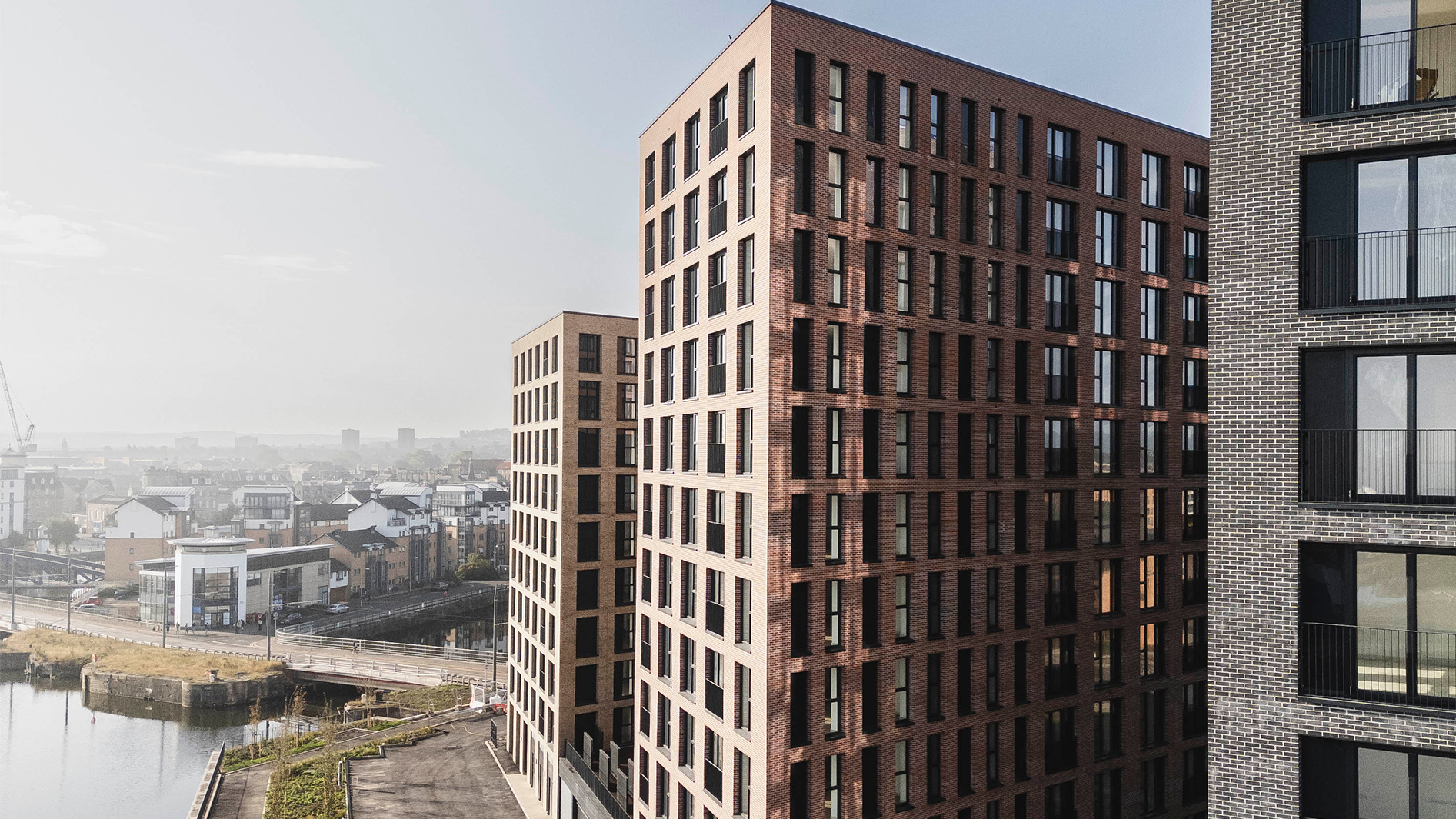
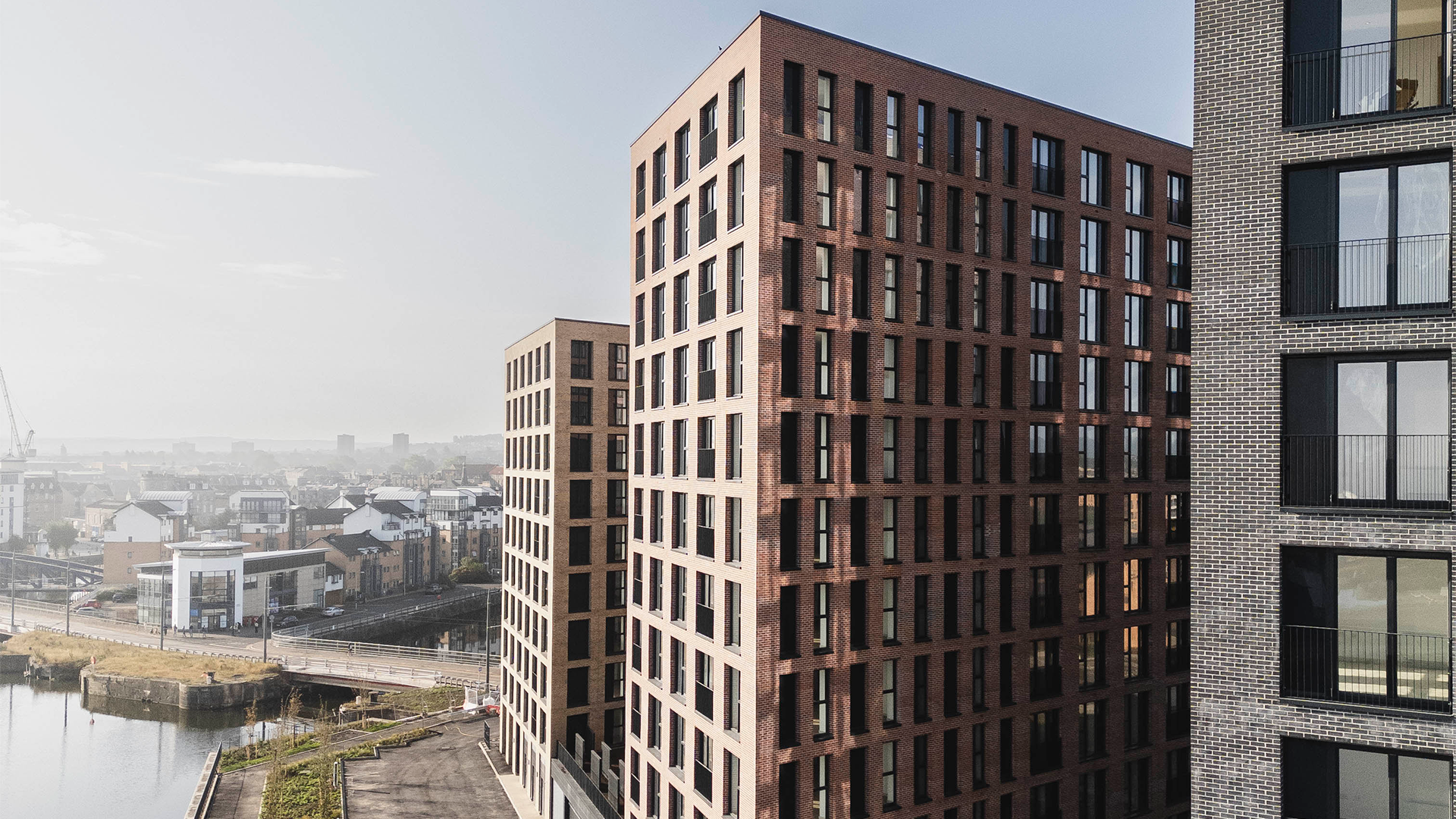
We invest in and partner with specialist operator platforms to deploy capital across the living sectors on behalf of our clients. We have partnered with Goodstone Living to invest in three build-to-rent projects being developed in the UK, expected to deliver over 1,000 new homes, with a further two projects in London that are expected to commence construction within the next six months. We are also deploying capital to develop rental housing in Berlin and across Germany through EDGE, another of the platforms, and are partnering with a student accommodation platform, Tribera, to fund the build-out of modern affordable student accommodation across Europe.
Justin Ayre: Australia’s population is growing at 1.2 per cent per annum, and the over-65 cohort is growing at approximately twice that rate. At the same time, there is a structural undersupply of housing, which we expect to worsen given widening construction costs and planning constraints. Given this dynamic, we are investing across the full residential spectrum, both through equity and credit strategies.
With a growing population, housing preferences are also changing. For example, we are investing in new built-to-rent developments in partnership with Australian build-to-rent platform, Local. These products target a broad range of residents looking for professionally managed and long-term rental housing options. Such a product has not historically existed in Australia, but institutional real estate investors are increasingly investing in it, recognising the structural tailwinds driving the sector’s institutionalisation.
Another platform in Australia is Millbray, a specialist land lease communities group we established to develop purpose-built communities catering to the growing over 50s population. Separately, through our investment in IDA, we are facilitating the debt and equity financing of master-planned communities that cater to the preferences of first-time buyers for detached housing.
Erin Ledger-Beaupre: Housing affordability is also a major issue in the US. There is a massive under-supply of housing products for people with an average household income of between $75,000 and $100,000. This ‘missing middle’ group has lost about 6 million home units, including rentals and for sale units, over the past 15 years.
In response, we have spent a significant amount of time investing in manufactured housing through the Harborvale Living platform. We are now seeing real estate investor interest in the manufactured housing sector, but it has a few challenges. 75 per cent of institutional quality manufactured housing is privately owned, often by individuals or small investment groups. As a result, aggregating a portfolio of assets takes time.
The other challenge is that this product is also extremely hard to develop, and there has been virtually no new supply over the last 15 years.
Beyond this, we are also investing in the senior housing sector. Post-COVID, the senior housing market went through structural modifications which shut down the supply pipeline, so limited senior housing product has been built in recent years.